


Introduction to AAAD APK
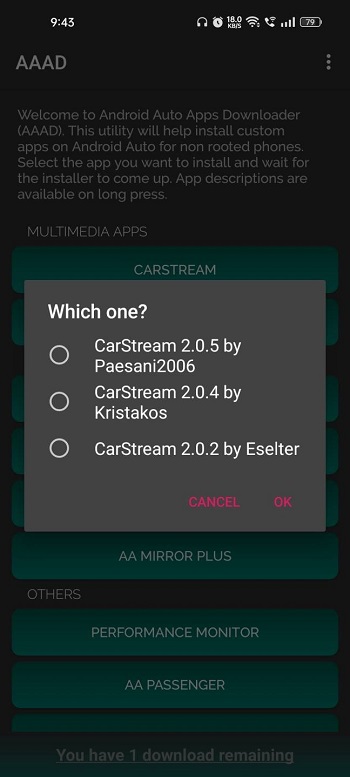
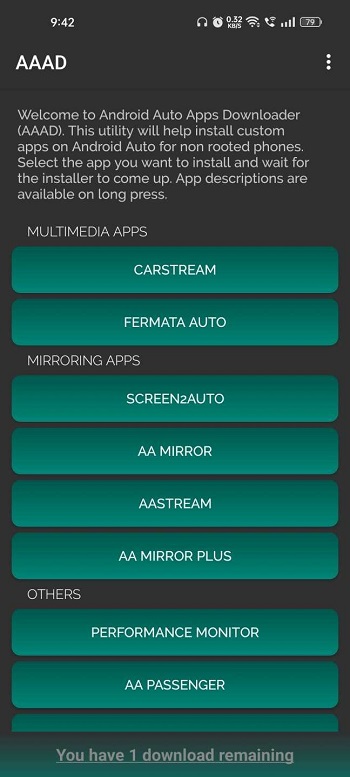
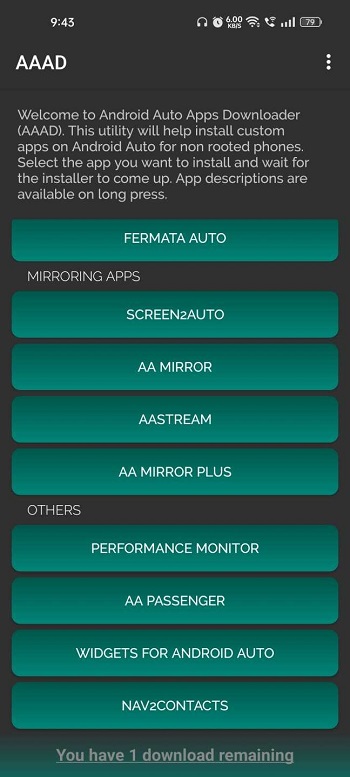
AAAD is an Android app built for drivers who want to use phone content on a larger car display. Its main job is screen mirroring, so it lets users show navigation, music, videos, and other mobile apps on a compatible infotainment screen. From the reference provided, it is clearly presented as an app focused on car connectivity and media access.
The app is mainly used to link a phone with a car head unit through USB or a wireless connection. That makes it useful for people who prefer seeing maps, playlists, or simple media controls on the dashboard instead of checking a smaller phone screen. For daily driving, that can make basic tasks feel quicker and less annoying, especially during long commutes.
One of the key points of AAAD is its support for both wired and wireless mirroring. It also mentions compatibility with many major car brands and infotainment systems, which suggests a broad target audience. Users who switch cars or use third-party displays may find that flexibility helpful. Auto reconnect is another practical touch, since it cuts down on repeated setup every time the engine starts.
AAAD also appears aimed at media-heavy use. The reference mentions video playback, music streaming, and support for common audio apps. That means the app may appeal to users who want a more familiar phone-like layout on the car screen. For passengers, this can make the ride feel less dull. For drivers, the real value is easier access to tools they already use every day.
There are still a few limits worth noting. The biggest one is compatibility. AAAD depends on the car’s infotainment system supporting screen mirroring, Android-based connections, or MirrorLink-style features. If the car system is restrictive, old, or poorly optimized, the app may not work as smoothly as expected. Features like video playback can also be less practical in real driving situations, so users should think about safety and local driving rules before relying on that part.
AAAD fits best for drivers who want a simple way to mirror phone content onto a car screen without learning a complicated setup. It makes the most sense for commuting, road trips, in-car media use while parked, and drivers who regularly use maps or streaming apps. People with compatible car systems will likely get the most value from it, while users with unsupported head units may run into the usual “why is my car acting older than it looks?” kind of frustration.
FAQs AAAD
What is AAAD APK used for?
+
AAAD APK is used to mirror phone content to a compatible car screen, making it easier to access maps, music, videos, and other apps on a larger display.
Does AAAD APK work with all car screens?
+
AAAD APK works with many infotainment systems, but support depends on the car unit offering screen mirroring, Android-based connectivity, or similar features.
Can AAAD APK connect wirelessly?
+
Yes, the reference says AAAD APK supports both wireless and wired connections, giving users more flexibility based on their car setup.
Is AAAD APK good for navigation and music?
+
Yes, AAAD APK is useful for navigation and music because it can show map apps and stream audio through the car display in a more convenient layout.
What are the main drawbacks of AAAD APK?
+
The main drawback is that performance depends heavily on car system compatibility, so some users may face limited support or less stable connections on certain head units.
Discover More Interesting Apps
-
 Mod
Mod
Tevi
v3.36.2.2
176.19 Mb
Updated -
Mod
Nzb360
v23.5
16.51 Mb
Updated -
Mod
Super VPN
v3.1.6
48.00 Mb
Updated -
Mod
Lexis Audio Editor
v1.4.216
46.19 Mb
Updated -
Privacy Display
v1.8.7
9.75 Mb
Updated -
Mod
Passport Photo Maker
v3.3.1
39.11 Mb
Updated -
Neon App
v2.4.0
114.52 Mb
Updated -
Warden
v1.2.0
10.82 Mb
Updated -
Mod
DevCheck
v6.42
23.26 Mb
Updated -
AdGuard VPN
v2.16.65
48.00 Mb
Updated










Share Your Thoughts